

wholesale toughened glass
Understanding BSP and Thread Gauge A Comprehensive Overview When it comes to engineering and manufacturing, precision is paramount. Among various threading systems used in different applications, British Standard Pipe (BSP) threads are widely adopted in industries concerning fluid and gas transmission. Accordingly, the thread gauge plays a critical role in ensuring the proper fit and functioning of these threaded connections. This article delves into the significance of BSP threads, the function of thread gauges, and best practices for their usage. What is BSP Thread? British Standard Pipe (BSP) is a standardized system of pipe threading used predominantly in the UK and other Commonwealth countries. It is defined by rigorous specifications that ensure a reliable connection in various piping applications. BSP threads are mostly categorized into two types BSPT (British Standard Pipe Taper) and BSPP (British Standard Pipe Parallel). BSPT threads are tapered, meaning they become narrower towards the end. This taper allows for a tighter seal when the threads are engaged, making them ideal for high-pressure applications like gas and liquid transport. On the other hand, BSPP threads are parallel and typically require additional sealing methods, such as O-rings or gaskets, to prevent leaks. The Importance of Thread Gauges A thread gauge is a precision instrument used to measure the dimensions of screws, bolts, and other threaded fasteners. In the context of BSP threads, thread gauges help determine the quality and compatibility of threaded components. They ensure that the threads conform to the specified standards, which is essential for maintaining safety and efficiency in applications where fluid and gas transfer is involved. In general, thread gauges can be classified into two main types plug gauges and ring gauges. Plug gauges are used to check internal threads, while ring gauges are designed for external threads. Both types serve as benchmarks to verify whether the threaded parts meet specific dimensional criteria. Measuring BSP Threads When measuring BSP threads, it is crucial to consider various parameters, such as thread pitch, diameter, and profile. The pitch indicates the distance between each thread and is a determining factor for compatibility between fittings. For BSP threads, the common pitch values include 1.0 mm for BSPT and 1.5 mm for BSPP. bsp thread gauge The diameter of the threads also plays a vital role. BSP threads are specified in nominal sizes, which approximate the outside diameter of the pipe. For instance, a 1-inch BSP fitting does not measure exactly 1 inch; instead, its outer diameter is approximately 33.2 mm. Understanding these nominal sizes is crucial for ensuring correct fittings are used in arrangements. Best Practices for Using Thread Gauges To guarantee the effective functioning of BSP threads, it is essential to employ thread gauges correctly. Here are some best practices 1. Choose the Right Gauge Ensure that the thread gauge corresponds to the type of BSP thread being measured – either BSPT or BSPP. Using the correct gauge helps achieve accurate results. 2. Inspect for Wear Regularly check that the thread gauge is not worn or damaged, as this can result in inaccurate measurements. A worn gauge may give false readings, which can lead to poor fitting and potential leaks. 3. Conduct Regular Calibration Thread gauges must be calibrated periodically to ensure precision. If a gauge has not been calibrated recently, it may produce unreliable measurements. 4. Follow Manufacturer Guidelines Each thread gauge comes with a set of instructions provided by the manufacturer. Following these guidelines ensures that the gauge is used optimally and increases its lifespan. 5. Train Operators The individuals using thread gauges should be adequately trained in their use and the importance of accurate measurements. Understanding the specifications of BSP threads is crucial for safe operations. Conclusion In summary, BSP threads are a fundamental aspect of piping systems in many industries, and the proper use of thread gauges ensures their reliability and safety. By understanding the intricacies of BSP threading and following best practices for measuring with gauges, manufacturers and engineers can mitigate risks and enhance operational efficiency.
about
wholesale toughened glass
Water valves can sometimes become stuck or difficult to turn, making it challenging to adjust the water flow in your home. If you find yourself encountering this problem, there are several methods you can try to loosen a water valve and make it easier to operate. First, it's important to identify the type of water valve you're dealing with. There are two main types of water valves gate valves and ball valves. Gate valves have a round handle that you turn to open or close the valve, while ball valves have a lever handle that you rotate 90 degrees to control the flow of water. If you have a gate valve that is stuck, the first step is to apply a penetrating oil or lubricant to the valve stem. This will help to loosen any rust or debris that may be causing the valve to stick. Allow the oil to sit for a few hours to penetrate the valve and then try turning it again. If the valve is still difficult to turn, you may need to use a wrench or pliers to provide additional leverage. For ball valves, the process is a bit different. If the valve is difficult to turn, first try tightening the valve slightly and then loosening it. This can help to break any corrosion or buildup that is causing the valve to stick how to loosen water valve . If this doesn't work, you can try tapping the valve handle gently with a hammer to help free it up. Be careful not to use too much force, as this can damage the valve. Another option for loosening a water valve is to heat it up with a hairdryer or heat gun. This can help to expand the metal and break up any rust or corrosion that is causing the valve to stick. Be sure to use caution when using heat, as excessive heat can damage the valve or surrounding pipes. If none of these methods work and the valve is still stuck, you may need to replace the valve altogether. This is a more involved process that may require the help of a professional plumber. However, in many cases, simply loosening the valve with the methods mentioned above can help to restore it to proper working order. In conclusion, dealing with a stuck water valve can be frustrating, but with a little patience and the right tools, you can usually loosen the valve and get it working properly again. By following the steps outlined above, you can effectively troubleshoot and address any issues you may be experiencing with your water valve. Remember to always take safety precautions and consult a professional if needed.
-

High quality industrial productsagement

High quality industrial products
View Details -

Meet the diverse needs of customers

Meet the diverse needs of customers
View Details -

Strict quality control

Strict quality control
View Details -

Top raw materials

Top raw materials
View Details -

Trusted supplier

Trusted supplier
View Details
Our application
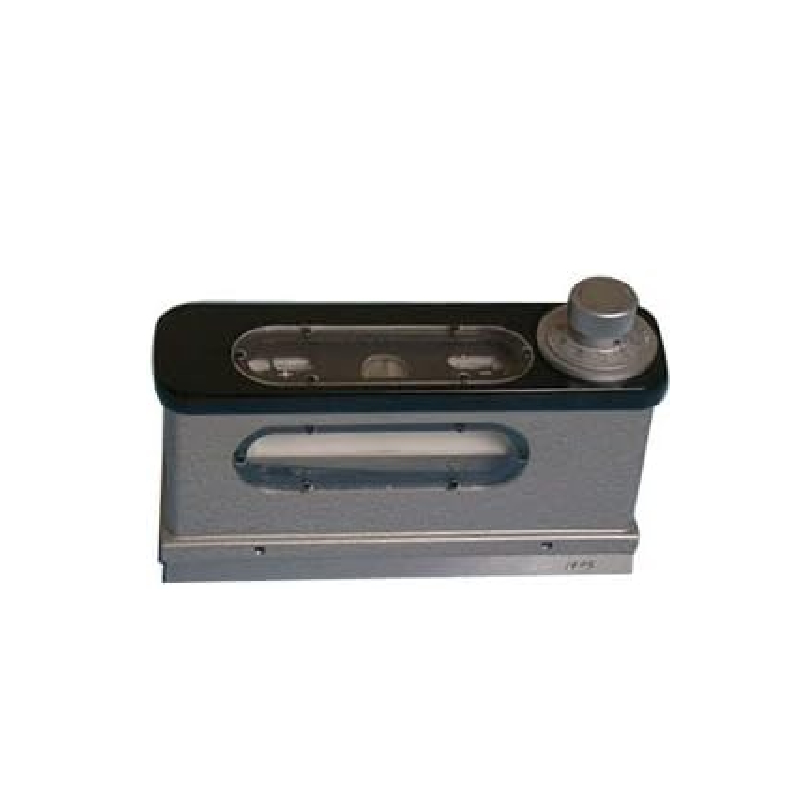


news and information
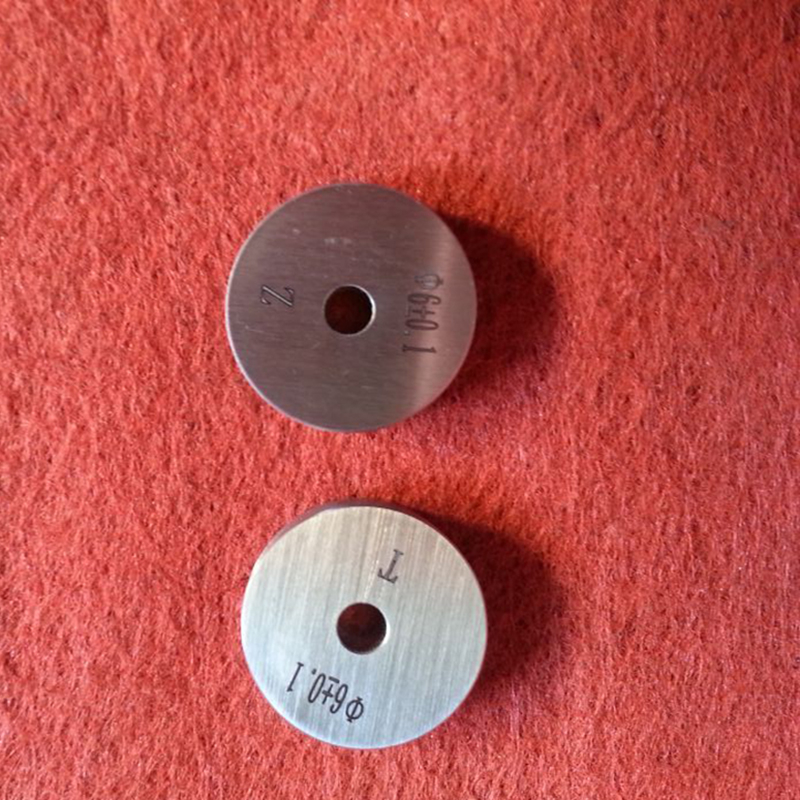
Versatile Thread Measurement Tool for Accurate Adjustable Gauge Specifications
Understanding Adjustable Thread Gauges An Essential Tool in Precision Engineering In the realm of pr
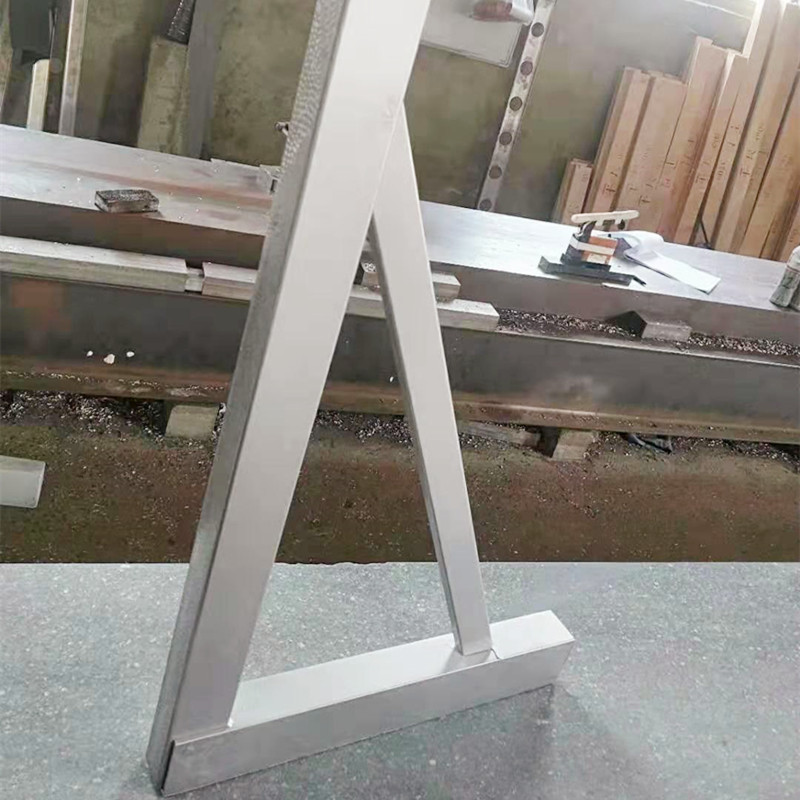
Vidin'ny vidin'ny fitaovana fanombanana tariby sy fangarona
Ny vidin'ny fitaovana fanombanana rohy dia tena zava-dehibe amin'ny indostria sy ny sehatra hafa man
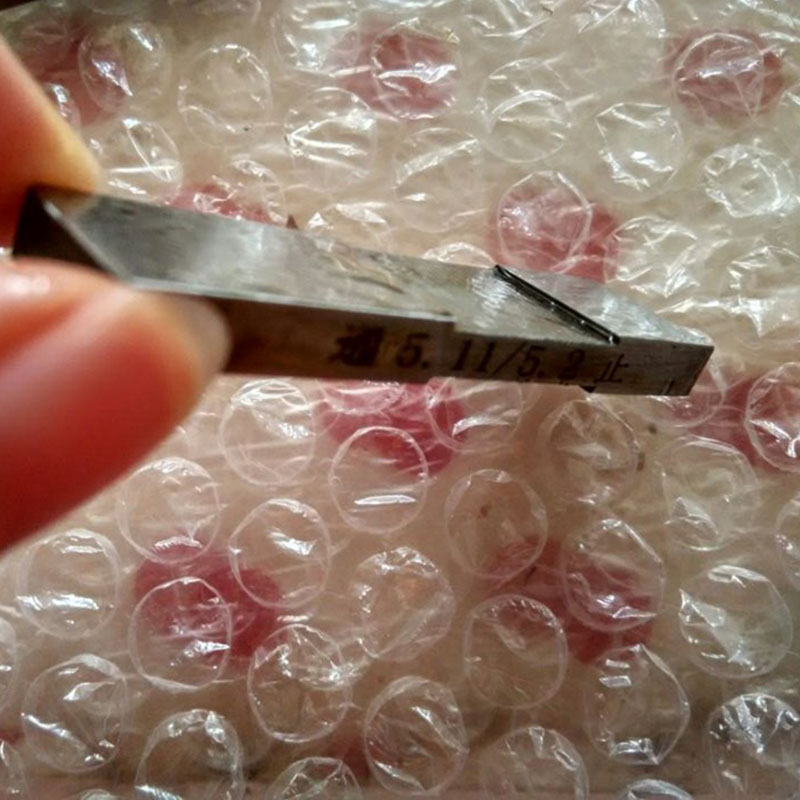
what is water valve
Understanding Water Valves Essential Components for Fluid Control Water valves are crucial devices i
 English